
Alaska Cruise Packing List That Works
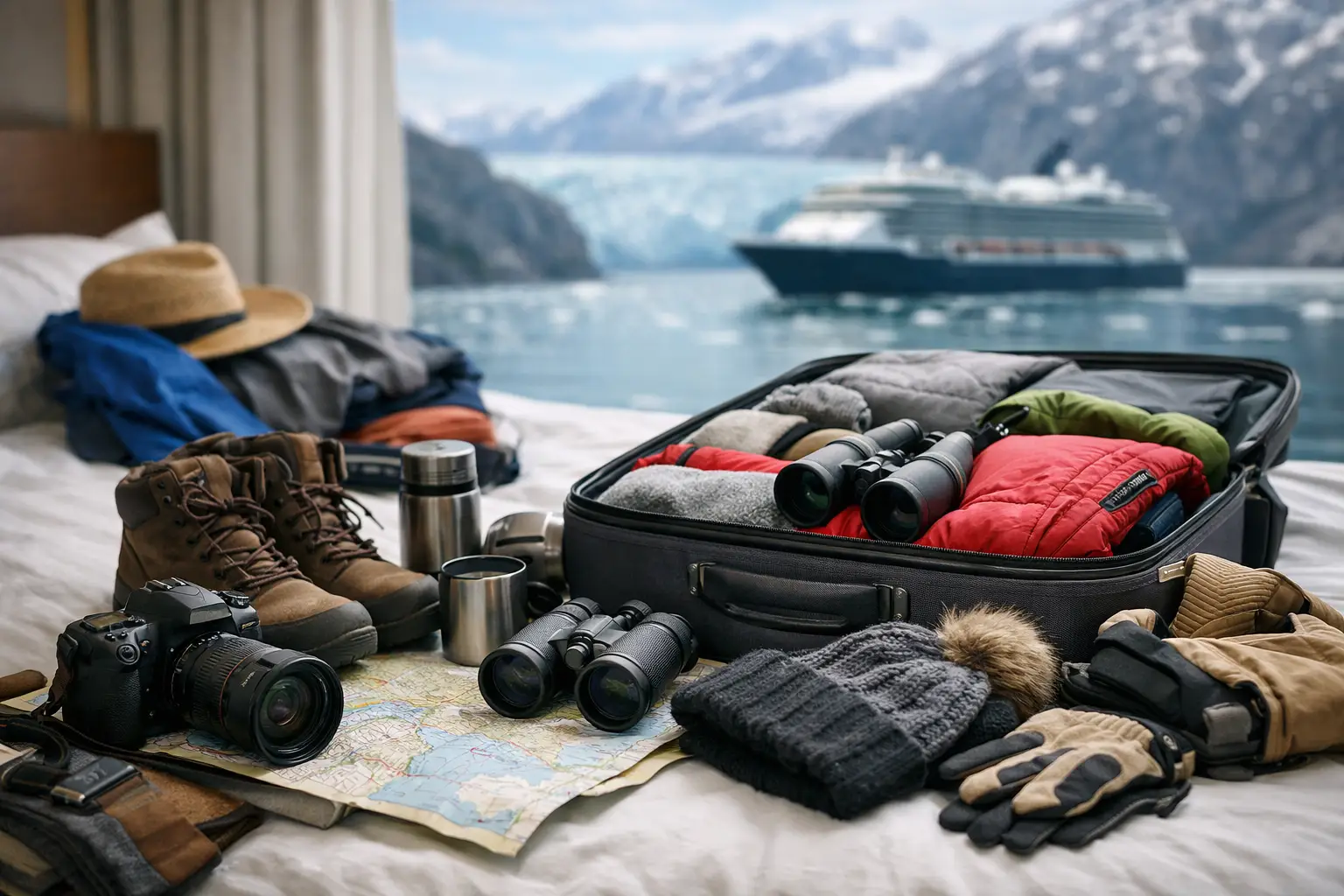
Packing for Alaska usually goes wrong in one of two ways – travelers bring far too much, or they arrive with the wrong kind of clothing. A good Alaska cruise packing list is not about filling the biggest suitcase you own. It is about preparing for changing weather, active shore days, and cool evenings without making your trip harder than it needs to be.
That matters more in Alaska than on many other cruises. On the same sailing, you may watch glaciers from an open deck in chilly wind, walk through light rain in Ketchikan, and enjoy a surprisingly mild afternoon in Juneau or Skagway. The key is flexibility. If you pack with layers, comfort, and a few smart extras in mind, you will be ready for the Inside Passage without overpacking.
What an Alaska cruise packing list should prioritize
The biggest mistake we see is packing for a single forecast. Alaska weather shifts quickly, and your experience depends on the month, your itinerary, and how much time you plan to spend outdoors. Early season sailings can feel brisk, especially near glaciers. Mid-summer often brings milder temperatures, but rain is always possible. Late season can be cooler again, with a damp edge that catches unprepared travelers off guard.
That is why layers matter more than heavy, bulky items. A T-shirt, a long-sleeve top, a fleece or sweater, and a lightweight waterproof jacket will usually serve you better than one thick coat. Layers let you adjust during the day instead of returning to your cabin to completely change clothes.
Comfort also matters. Alaska is a scenic destination, and many guests spend more time out on deck than they expect. You want clothing that lets you stand outside for whale watching, glacier viewing, and sail-ins without feeling cold, damp, or restricted.
Clothing for your Alaska cruise packing list
Start with casual daytime basics. For most travelers, that means several tops you can mix and match, a couple pairs of comfortable pants or jeans, and one or two warmer mid-layers. You do not need a different outfit for every day if you plan around rewearing certain pieces.
A waterproof or water-resistant jacket is one of the most important items to bring. In Alaska, a jacket does more than keep you dry. It also blocks wind, which can make a big difference on deck. If your jacket has a hood, even better. Umbrellas are not always practical during excursions or in breezy port areas.
For bottoms, many guests do well with casual pants, dark jeans, or travel pants that dry quickly. Shorts are sometimes useful in warmer weather or in the fitness center, but they are not essential for most Alaska sailings. If you are deciding between extra shorts and another pair of full-length pants, the pants are usually the better choice.
Bring a few short-sleeve tops, at least two long-sleeve options, and a fleece, cardigan, or pullover. Moisture-wicking fabrics are helpful, especially if you plan to do more active shore excursions. Cotton can still work, but it is less comfortable once damp.
Even on a relaxed cruise line, you may want one or two nicer evening outfits. That does not have to mean formalwear unless your sailing and personal style call for it. For many travelers, a simple dress, blouse and slacks, or collared shirt with nice pants is enough for dinner. Check your cruise line’s dining expectations, but in Alaska, practical clothing by day and neat casualwear at night is a common approach.
Shoes and outerwear that make a real difference
Shoes can make or break an Alaska trip. Most travelers should bring one pair of comfortable walking shoes with good traction and one pair of shoes for onboard use or evening dining. If your excursions involve nature walks, rain, or uneven ground, waterproof walking shoes are a smart choice.
This is one of those areas where it depends on your plans. If you are taking gentle city tours and staying mostly in town, sturdy sneakers may be enough. If you have excursions that include trails, wet docks, or rugged viewpoints, lightweight hiking shoes or waterproof footwear are worth the space in your bag.
Warm socks matter more than people expect. A few pairs of thicker socks can make glacier-viewing mornings much more comfortable. If your feet get cold easily, do not overlook this.
Accessories also earn their place in your suitcase. A knit hat, light gloves, and a scarf or neck gaiter can be very helpful on deck, especially during scenic cruising days. You may not use them every day, but when you need them, you will be glad to have them.
Alaska cruise packing list for excursions and port days
Excursion days call for practical planning. A small daypack is useful for carrying water, an extra layer, your phone, and any souvenirs or personal items you pick up in port. Choose something lightweight and easy to carry.
Binoculars are a strong addition if you enjoy wildlife viewing. You can certainly still see whales, eagles, and coastal scenery without them, but binoculars add a lot to the experience. This is especially true if you like spending time on your balcony or on open decks during scenic cruising.
A refillable water bottle is another smart item, particularly for longer port days. You may also want sunglasses and sunscreen. Travelers are sometimes surprised by how bright Alaska can feel, especially when the sun reflects off water, snow, or ice.
If you plan to take photos with your phone or camera, bring a portable charger. Scenic days can mean a lot of pictures, and battery life tends to disappear faster when you are outside in cooler temperatures.
Cabin essentials people often forget
The best Alaska cruise packing list includes more than clothing. A few cabin items can make your trip noticeably easier.
Bring any prescription medications in your carry-on, not your checked luggage. It is also wise to pack basic remedies you commonly use, such as motion sickness relief, pain reliever, allergy medicine, and a few bandages. Even travelers who do not usually get seasick sometimes prefer having something on hand, especially on sailings that encounter rougher water.
A small power bank and charging cables are obvious, but still easy to forget. The same goes for reading glasses, a travel alarm if you use one, and copies of important travel information.
Many travelers appreciate having a small crossbody bag or secure purse for ports. It keeps essentials close without being cumbersome. Lip balm and moisturizer are also worth packing. Cool air and wind can be drying, especially after time outside.
What not to overpack
Overpacking is common on Alaska cruises because travelers imagine every possible weather scenario. The better approach is to pack for range, not extremes.
You usually do not need a heavy winter parka unless you are traveling very early or very late in the season and know you run cold. For most cruises, a layered system with a waterproof outer shell is more useful. You also do not need multiple dressy outfits unless you enjoy dressing up every evening.
Try to avoid bringing too many “just in case” items that serve only one narrow purpose. Alaska rewards practical packing. If an item cannot layer, mix, or do double duty, it may not deserve suitcase space.
A simple way to pack with confidence
If you feel unsure, build your suitcase around a week of comfortable layering rather than around individual days. Think in terms of repeatable combinations: casual tops, two or three pairs of pants, one waterproof jacket, one warm mid-layer, comfortable walking shoes, and a few small-weather accessories. That approach works well for most Inside Passage travelers and keeps luggage manageable.
At Alaska Cruise Guide, we often remind guests that the best-packed travelers are not the ones with the most luggage. They are the ones who can step off the ship ready for a rainy port morning, a sunny afternoon, or a chilly glacier viewing day without stress.
If your suitcase helps you feel comfortable enough to stay outside longer, see more, and enjoy the trip instead of fussing with gear, you packed exactly right. That is the standard worth aiming for.
