
Alaska Inside Passage Cruise: What to Know
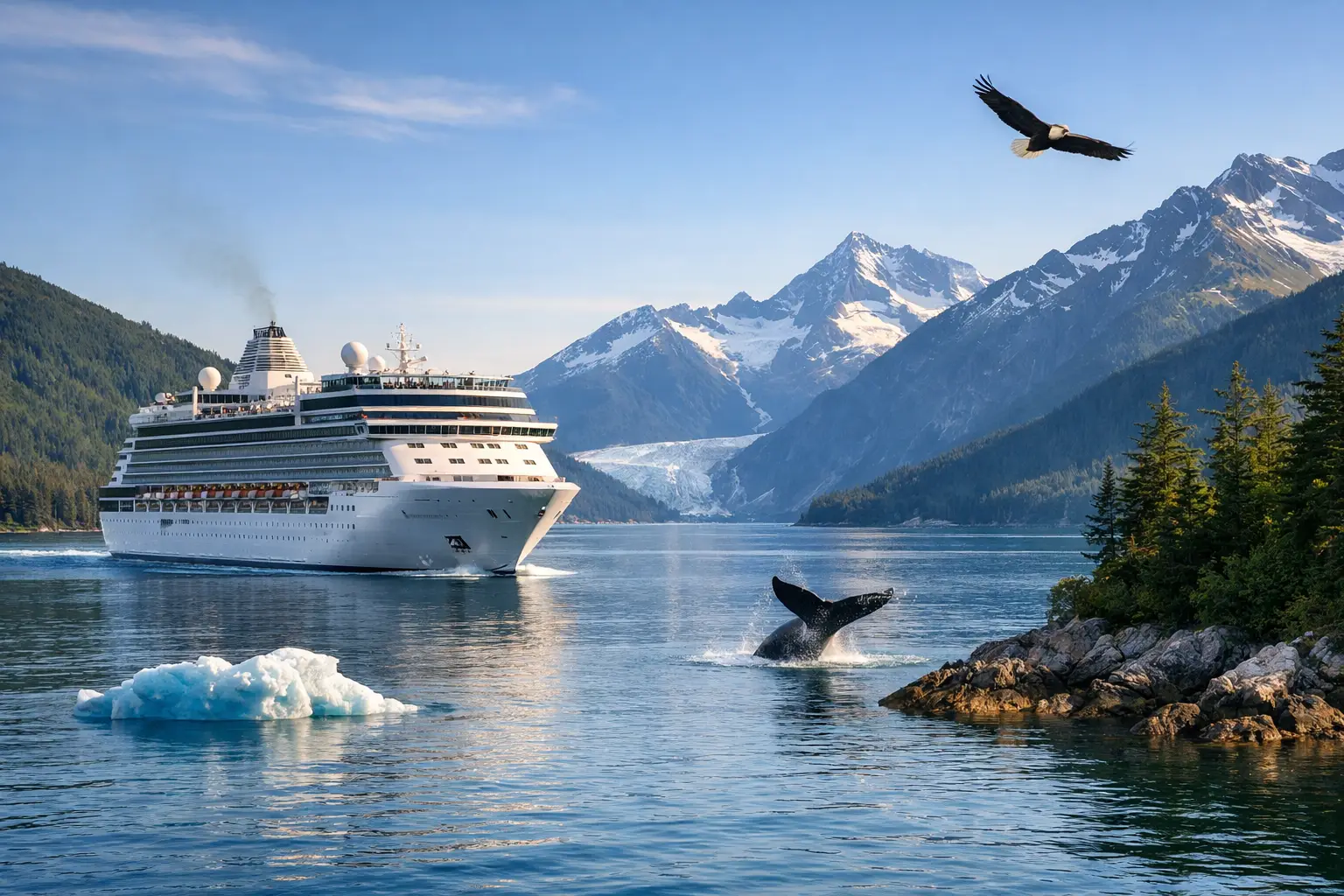
Some Alaska vacations ask you to do a lot of work. An Alaska Inside Passage cruise does the opposite. You unpack once, settle in, and watch glacier-carved coastlines, forested islands, and small port towns come to you – often with far less travel stress than a land-heavy itinerary.
That ease is a big reason the Inside Passage remains the most popular way to see Alaska, especially for travelers who want striking scenery without complicated logistics. But not every cruise is the same. The route, the ship, the cabin location, and even the month you sail can shape the trip more than many first-time guests expect.
Why an Alaska Inside Passage cruise appeals to so many travelers
The Inside Passage is a coastal route that runs through protected waterways along the Pacific Coast, sheltered in many areas by islands and narrow channels. For cruise guests, that usually means calmer sailing than fully open-ocean routes, plus more time spent looking at land, wildlife, and mountain views from the ship.
It is also a practical match for travelers who want a comfortable pace. You can wake up in a new destination, enjoy a scenic sailing day through glacier country, and return each evening to the same stateroom. That matters for couples, multigenerational families, retirees, and groups who want the experience to feel manageable rather than rushed.
There is also a strong variety factor. On one sailing, you may watch humpback whales from the deck in the morning, walk through a Gold Rush-era town in the afternoon, and end the day with glacier views from the lounge. Alaska has a way of making every day feel different, even when the trip itself is simple to navigate.
What ports are usually included
Most Alaska Inside Passage itineraries include a mix of classic Southeast Alaska ports and scenic cruising. Juneau, Ketchikan, and Skagway are among the most common stops. Many cruises also include Victoria, British Columbia, depending on the departure city and itinerary.
Juneau is known for glacier access, whale watching, and mountain scenery. Ketchikan tends to feel compact and walkable, with a strong salmon fishing identity and rich Native culture. Skagway offers a very different feel, with Gold Rush history and popular rail excursions that appeal to guests who want dramatic scenery without strenuous activity.
The scenic cruising portion is often just as memorable as the ports. Glacier Bay, Endicott Arm, and Dawes Glacier are examples of places where the ship itself becomes the best viewing platform. If you are comparing sailings, this is one of the first details worth checking. A cruise with strong scenic cruising can feel much richer than one that simply adds another port stop.
Choosing the right itinerary matters more than most people think
Travelers often begin by asking which cruise line is best. A better first question is which itinerary best fits how you want to experience Alaska.
Roundtrip sailings from Seattle are convenient, especially if you want simpler flights and a familiar embarkation city. The trade-off is that these itineraries may spend more time at sea, and some include shorter Alaska port calls.
Roundtrip Vancouver sailings are often favored by travelers who want a more traditional Inside Passage experience. Because of the routing, these cruises can offer more scenic coastal sailing. For many guests, the extra flight planning is worth it.
One-way cruises between Vancouver and Anchorage-area ports appeal to travelers who want to add a land tour before or after the cruise. That can be ideal if Denali or interior Alaska is on your wish list. The trade-off is complexity. Flights, transfers, and timing take more coordination, which is exactly where expert planning can save a lot of second-guessing.
When to go on an Alaska Inside Passage cruise
Alaska season generally runs from late spring into early fall, and each part of the season has strengths.
May is often attractive for travelers who want cooler temperatures, early season pricing, and fewer crowds. Snow can still be visible at lower elevations, which many guests find beautiful. Wildlife can be active, but conditions are less predictable than later in summer.
June and July bring longer days and a classic summer feel. These months are popular for families and first-time Alaska cruisers because the weather tends to be milder and the landscapes look especially vibrant. The trade-off is demand. Prices can be higher, and preferred cabin categories may sell early.
August offers strong wildlife viewing and full-season energy in the ports, though rain becomes more likely in some areas. September can be appealing for lower fares and fewer fellow travelers, but it usually brings cooler temperatures and shorter daylight hours.
There is no perfect month for everyone. The best time depends on whether your priority is budget, weather, wildlife, or daylight.
The ship you choose affects the experience
In Alaska, the ship is not just transportation. It is a sightseeing platform, a floating hotel, and, on colder or rainy days, a large part of your vacation experience.
Some travelers love larger ships for their dining variety, entertainment, and broad range of cabin choices. Others prefer ships that feel a bit more relaxed and less crowded. Neither approach is wrong. What matters is matching the ship to your travel style.
For Alaska specifically, good viewing spaces matter. Promenade decks, large windows in public areas, comfortable lounges, and convenient access to open-air decks can make a real difference during glacier days and wildlife sightings. A beautiful itinerary loses some of its impact if the ship is not well suited for scenic cruising.
Picking the right cabin is worth the effort
Cabin selection is one of the most common areas where travelers either feel very smart later or quietly wish they had asked more questions.
A balcony is a popular choice in Alaska for good reason. It gives you private access to scenery, fresh air, and quiet viewing time without having to head to a public deck every time the landscape changes. For many travelers, that extra comfort is worth the cost.
That said, a balcony is not always necessary. If budget is the main concern and you are comfortable using public viewing areas, an oceanview cabin can still work very well. Inside cabins are the most economical, but they are best for guests who plan to spend most of their waking time out and about on the ship.
Cabin location matters too. Midship cabins can be helpful for guests concerned about motion. Some travelers prioritize convenience to elevators, while others prefer a quieter spot away from busy public spaces. These details sound small when booking, but they affect comfort every day of the trip.
Excursions can make the cruise feel personal
The cruise gets you to Alaska. Excursions help shape what Alaska feels like to you.
If you want active adventure, options often include hiking, kayaking, flightseeing, and ziplining. If you prefer something easier, there are scenic rail trips, wildlife cruises, cultural tours, and glacier-viewing experiences that require very little physical exertion.
This is another area where one-size-fits-all advice falls short. A family with teenagers may want energy and variety. A retired couple may care more about comfort, pacing, and clear value. Organized groups may need excursions that work well logistically and fit a range of mobility levels.
It is also wise not to overschedule every port. Alaska is visually rich, and some travelers enjoy simply walking a town, browsing local shops, or returning to the ship early to enjoy the scenery from a quieter deck.
Why expert help can make a better trip
An Alaska cruise looks simple on the surface, but the decisions stack up quickly. Which sailing has the better glacier access? Is a one-way route worth the extra airfare? Does the ship fit your priorities? Which cabin offers the best value instead of just the lowest price?
That is where experienced guidance has real value. A specialist can help match you with the right itinerary, explain the trade-offs clearly, and often identify savings or package options that are easy to miss when booking on your own. For travelers who want confidence, not just a confirmation number, that support matters.
At The Alaska Cruise Guide, that kind of planning is exactly what many travelers want – knowledgeable help from people who understand the ships, the routes, and the practical details that make the vacation smoother from start to finish.
A few expectations that help first-time Alaska cruisers
Pack for layers, not for one forecast. Even in summer, Alaska weather can shift quickly. A waterproof jacket, comfortable walking shoes, and the ability to add or remove layers will serve you better than trying to predict one perfect temperature.
Also, do not assume every day will be clear. Alaska is still impressive in mist, low clouds, and light rain. In fact, some of its most memorable moments happen when the weather adds atmosphere rather than postcard perfection.
Most of all, leave room to look up. Travelers can get so focused on excursions, dining times, and daily schedules that they miss the simple pleasure of standing at the rail while bald eagles circle overhead or a glacier comes into view around a bend.
If you choose the right Alaska Inside Passage cruise for your style, budget, and expectations, the trip tends to feel less like a checklist and more like the kind of vacation you are still talking about long after you get home.
