
Corporate Alaska Cruise Travel That Works
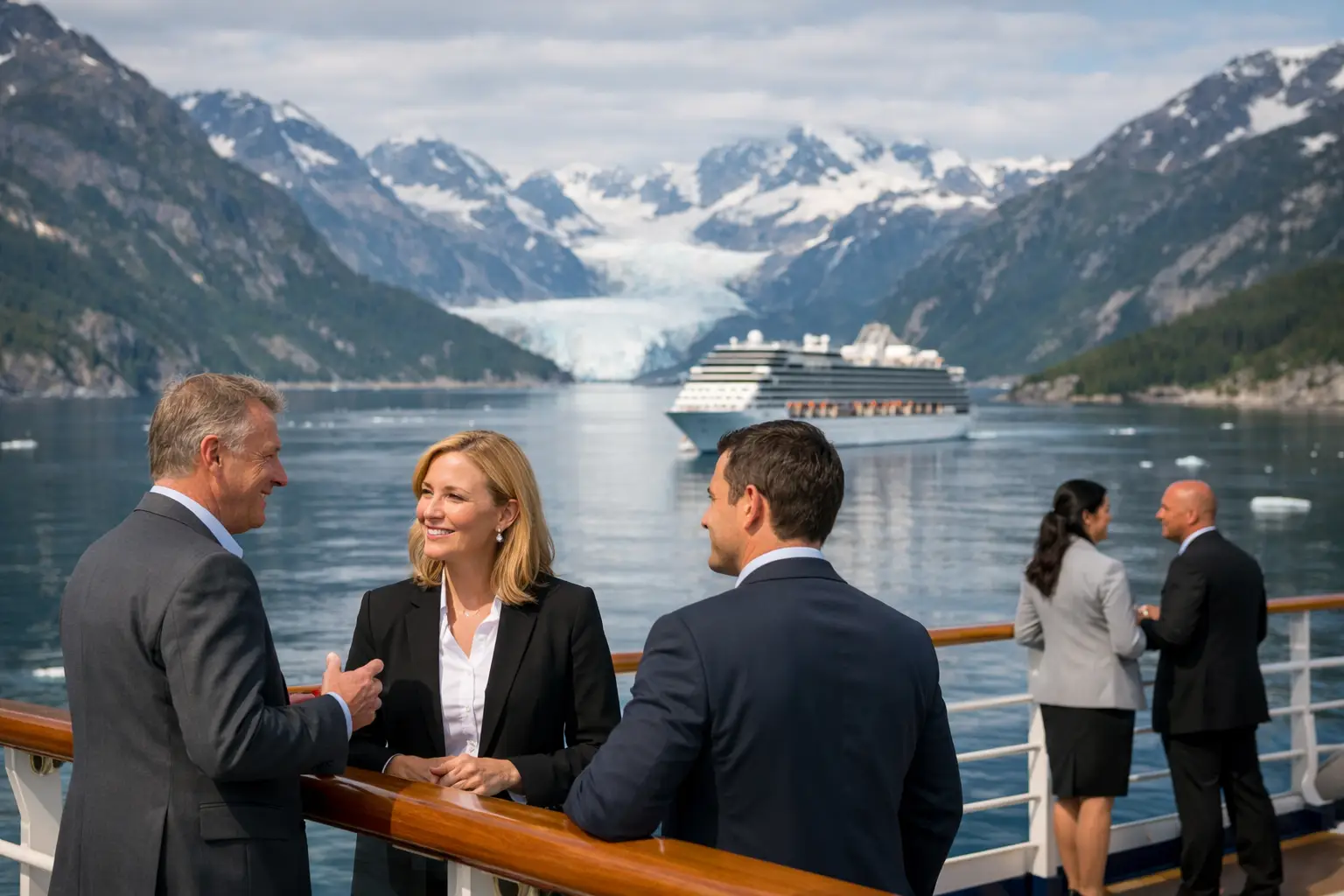
When a company wants a trip that feels rewarding without asking attendees to juggle endless logistics, corporate Alaska cruise travel often rises to the top for a reason. You get transportation, lodging, dining, and meeting-friendly structure wrapped into one itinerary, with scenery that feels genuinely memorable. For executive retreats, client appreciation events, incentive trips, and association groups, that combination is hard to match.
What makes Alaska different from many other cruise destinations is that the experience itself tends to create shared moments naturally. Watching glaciers calve, spotting whales from the deck, or sailing through the Inside Passage gives groups something to talk about without forcing team-building into every hour. That matters, especially for companies that want a trip to feel polished and purposeful, not overly programmed.
Why corporate Alaska cruise travel appeals to planners
For many corporate planners, the first challenge is not choosing a destination. It is choosing a format that reduces risk. Alaska cruises are attractive because they simplify a lot of moving parts. Instead of coordinating hotel blocks, restaurant reservations, transportation between cities, and sightseeing schedules across multiple vendors, a cruise bundles much of that into one framework.
That does not mean every Alaska cruise is automatically right for a corporate group. The value comes when the ship, sailing date, cabin mix, and shore plans match the group’s actual goals. A small leadership retreat has different needs than a 100-person incentive trip. A client-facing event may call for upgraded accommodations and more private gathering space, while an employee recognition cruise may prioritize broad value and ease of participation.
The strongest plans begin by answering a simple question: what is this trip supposed to do? Celebrate top performers, build relationships, host meetings, or reward key clients? Once that is clear, the cruise choice becomes much easier.
Choosing the right Alaska cruise for a corporate group
Not all Alaska itineraries deliver the same experience. Some focus on the Inside Passage with roundtrip sailings from Seattle or Vancouver. Others run one-way between Vancouver and Anchorage, often appealing to groups that want a more extensive land component before or after the cruise.
Roundtrip sailings are often easier for corporate groups because flights can be simpler, arrival and departure planning is more straightforward, and attendees may appreciate returning to the same port. One-way itineraries can offer a richer Alaska experience for some groups, but they usually require tighter coordination and a bigger transportation budget.
Ship selection matters just as much. A larger ship may provide more dining venues, entertainment, and group flexibility. A mid-size ship can feel easier to manage and more relaxed for networking. Princess itineraries are often a strong fit for Alaska because of their long experience in the region and the way their sailings align with popular Inside Passage expectations. That is especially useful when planners want confidence that the destination experience itself will be handled well.
Cabin strategy deserves careful thought too. It is tempting to book around price alone, but group satisfaction often comes down to details. Balcony cabins can be a major selling point in Alaska, where viewing from the ship is part of the trip. At the same time, not every attendee needs the same category. Mixing inside, balcony, and mini-suite options can help a company control budget while still offering meaningful choice.
Budgeting without losing the experience
One of the biggest misconceptions about corporate cruise planning is that a cruise is either all-inclusive enough to be easy or full of add-ons that make the budget unpredictable. The truth is somewhere in the middle.
The core cruise fare covers a great deal, which is one reason groups like it. But planners still need to account for port fees, taxes, airfare, hotel nights, transfers, gratuities, shore excursions, beverage packages if relevant, and any hosted events on board. If a company wants a welcome reception, meeting room, private dining arrangement, or branded amenity, those details should be considered early rather than added late.
The good news is that group rates and negotiated amenities can create real savings when handled properly. That may include fare advantages, onboard credits, tour conductor benefits, or other group inclusions depending on sailing and size. Timing matters. Alaska has a defined season, and stronger options often go to groups that start early, especially for preferred dates and cabin categories.
There is also a practical trade-off between peak season and shoulder season. Mid-summer sailings are popular for weather and school schedules, but they can be busier and more expensive. Early May and September may offer better value and a less crowded feel, though weather can be cooler and daylight patterns shift. For some corporate groups, that is perfectly fine. For others, especially first-time Alaska travelers, mid-season may feel like the safer fit.
The logistics that make or break the trip
A corporate trip tends to succeed or fail on details that guests barely notice when they are done well. Flights, embarkation timing, luggage handling, pre-cruise communication, and shore excursion coordination all shape the experience.
That is why Alaska cruise planning works best when one person or team has a clear view of the whole trip. If attendees are arriving from different cities, a pre-cruise hotel night may be the smartest move even if it adds cost. It gives the group a buffer against flight delays and lowers embarkation-day stress. For executive groups or hosted client events, that extra night often feels worth it.
Communication is another area where experienced planning pays off. Attendees usually want to know what is included, what they need to book themselves, what to pack, and whether Alaska will be cold all the time. Clear answers reduce confusion and limit last-minute issues. This matters even more for groups with mixed cruise experience, where some guests are seasoned travelers and others are stepping onto a ship for the first time.
Shore excursions deserve a coordinated approach as well. Alaska is not a destination where you want people randomly choosing from hundreds of options without guidance. A group may be best served by curated choices that fit activity level, interests, and schedule. Whale watching, rail journeys, glacier flightseeing, and cultural tours can all be excellent, but not every excursion works for every corporate audience. The right mix usually balances wow factor with accessibility.
Corporate Alaska cruise travel and the guest experience
A well-planned corporate cruise should feel thoughtful, not rigid. Most attendees want enough structure to feel cared for and enough free time to enjoy Alaska in their own way.
That is one reason cruises work so well for mixed groups. Some guests will love early-morning wildlife viewing and active shore days. Others will be happiest with scenic cruising, a relaxed dinner, and time on their balcony. On land, creating that range of experiences can be difficult. On a ship, it is built in.
This flexibility also helps companies avoid a common mistake in corporate travel – over-scheduling. Alaska supplies the backdrop. The ship supplies the logistics. The planner’s job is not to fill every hour but to make sure the right moments happen. A welcome gathering, one or two key hosted events, and well-chosen excursions may be all a group needs.
For companies bringing clients, the setting can be especially effective. Alaska feels elevated without being flashy. It creates a premium impression through the destination itself rather than through excess. That can be a better fit for relationship building than a trip that feels too formal or too transactional.
When to get expert help with corporate Alaska cruise travel
Corporate group cruises are manageable, but they are rarely simple. The more people involved, the more valuable destination-specific guidance becomes. Alaska has its own rhythm, from sailing season and port patterns to ship differences and excursion quality. A general booking engine will not tell you which itinerary best fits a leadership retreat or whether your group would benefit more from Glacier Bay access, a one-way sailing, or a pre-cruise stay.
This is where a specialist can save both time and money. Someone who knows Alaska and understands group cruise planning can help compare ships, explain trade-offs, secure group space, and coordinate the details that busy planners do not have time to chase. For companies that want a more personal planning process, working with experienced Alaska advisors such as Tom and Debbie Adair can remove a lot of uncertainty.
The biggest benefit is confidence. You are not just booking cabins. You are building an experience that reflects on your company. If the destination, budget, and guest expectations are aligned from the start, an Alaska cruise can feel remarkably easy once the trip begins.
A good corporate trip should leave people talking about the experience, not the logistics. Alaska gives you the kind of setting people remember for years, and the right cruise plan lets your group enjoy it without the usual friction.
