
Alaska Family Cruise Planning Made Easier
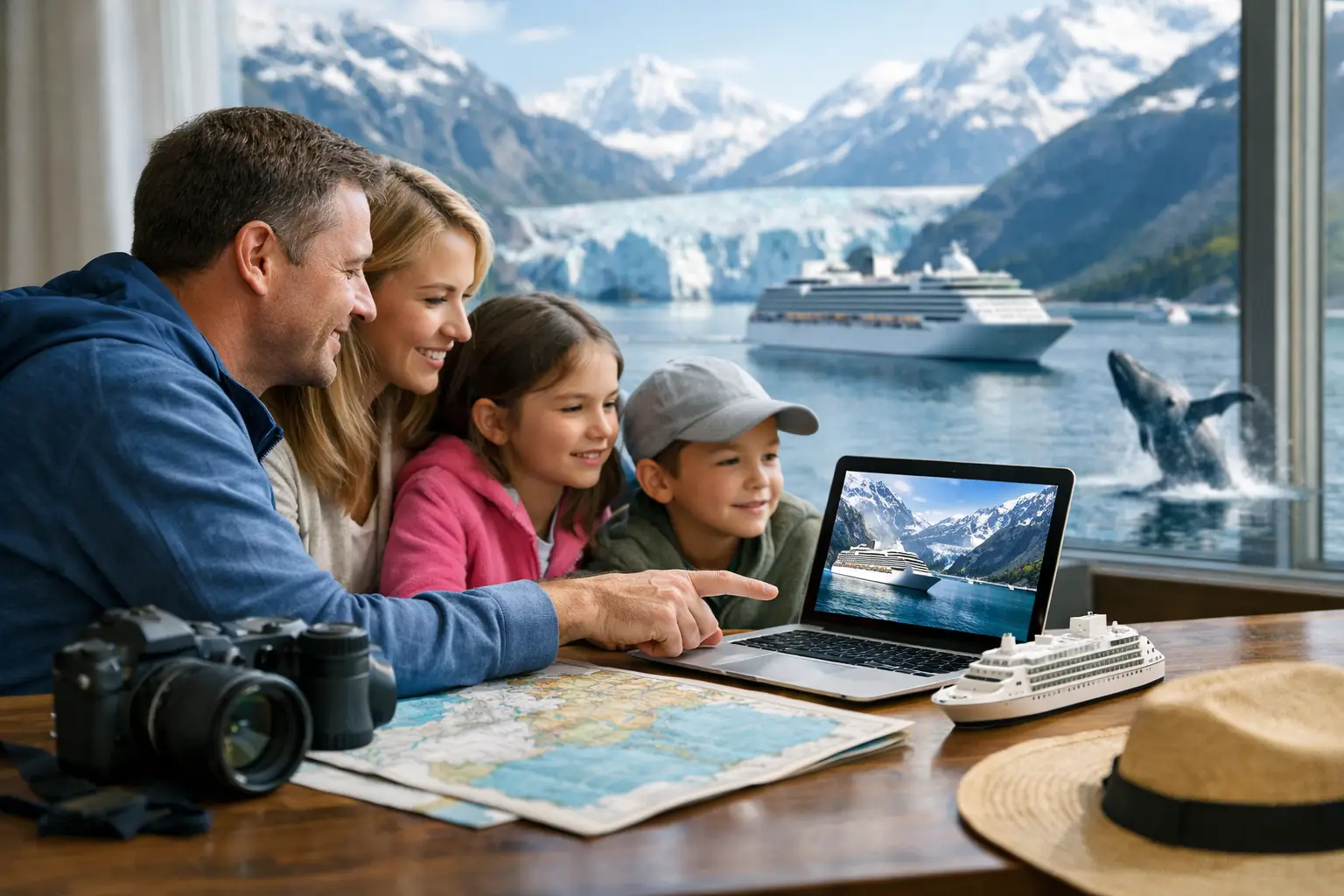
The difference between a great Alaska trip and a stressful one often comes down to choices you make before you ever board the ship. For families, that matters even more. Alaska family cruise planning is not just about picking a date and a cabin. It is about matching the ship, itinerary, budget, and pace of the trip to the people traveling with you.
That is why Alaska can feel a little different from planning a typical warm-weather cruise. You are not simply choosing a floating resort. You are choosing how your family will experience glaciers, wildlife, small port towns, and long scenic sailing days. When those details line up well, Alaska becomes the kind of trip families talk about for years.
What makes Alaska family cruise planning different
Families often start with one basic question: will everyone enjoy this? In Alaska, the answer is usually yes, but not always for the same reasons. Grandparents may care most about glacier viewing and comfortable sea days. Parents may be thinking about cabin space, excursion costs, and how much walking is involved in port. Kids and teens may be looking for wildlife sightings, train rides, dog sled experiences, and enough onboard activities to stay engaged.
That mix is exactly why planning matters. Alaska cruises tend to be more destination-focused than pool-focused. The scenery is the entertainment in many ways, and the best trips build in room for both active days and downtime. If your family expects a nonstop theme-park atmosphere, some ships and itineraries will fit better than others.
Weather also changes the equation. Alaska is beautiful because it is wild and seasonal, but that means temperatures can be cool, rain is always possible, and layers matter. Families who go in expecting that usually do very well. Families who assume every day will feel like a beach vacation can be disappointed.
Start with the right itinerary for your family
The itinerary shapes the entire experience. For many families, the Inside Passage is the easiest and most rewarding place to begin. It usually offers calmer waters, classic Alaska scenery, and popular ports that work well for mixed ages and activity levels.
A roundtrip sailing from Seattle or Vancouver can be convenient, especially if you want simpler flights or prefer to unpack once and return to your starting point. These itineraries are often attractive for multigenerational families because the logistics are straightforward.
A one-way cruise between Vancouver and Anchorage, or the reverse, can be a stronger choice if your family wants more of Alaska beyond the cruise itself. These trips often pair well with a land stay before or after the sailing. That can be a smart option if you want to add Denali or spend extra time in Southcentral Alaska. The trade-off is that one-way itineraries usually require more planning and a little more flexibility with flights and timing.
Glacier viewing should be part of the decision, not an afterthought. Families often remember glacier day as one of the highlights of the trip, so it helps to look closely at which scenic areas are included. Not every itinerary delivers the same style of glacier experience.
Choosing the right ship matters more than many families expect
A common mistake is assuming all Alaska cruise ships will feel about the same. They do not. Some are better for families who want more onboard entertainment and larger youth spaces. Others are ideal for travelers who care more about itinerary, service, and scenic viewing areas than nonstop activity.
For Alaska, practical comfort often matters more than flash. Families usually appreciate enclosed observation areas, good dining flexibility, and ship layouts that make glacier viewing easy without fighting crowds all day. A family with younger children may prioritize pools, casual dining, and kid-friendly programming. A family with teens may care more about independence onboard and enough variety during sea days.
Cabin choice is just as important. In Alaska, a balcony can be worth serious consideration because scenic cruising is a major part of the vacation. Being able to step outside in your own space, even for a few minutes, can make a big difference. That said, balconies are not the right answer for every family budget.
For some families, booking two connecting inside or oceanview cabins works better than trying to fit everyone into one room. You may get more privacy, two bathrooms, and a smoother morning routine. The best cabin setup depends on your group size, ages, and whether saving on the stateroom allows you to spend more on excursions.
Timing affects price, weather, and crowd levels
One of the biggest Alaska family cruise planning decisions is when to go. Early season sailings can offer good value and a quieter feel, but weather may be cooler and some families with school schedules may not have much flexibility. Mid-summer often brings strong demand because it lines up with school breaks and generally offers milder conditions. Late season can be appealing for pricing and fewer crowds, but weather patterns may become more variable.
There is no single perfect month for every family. It depends on whether your top priority is budget, wildlife, school calendars, or the broadest excursion availability. Families traveling with young children sometimes prefer periods with slightly lighter crowds. Families with teens often focus more on school-friendly dates and active excursions.
The key is to decide what matters most before you compare sailings. Otherwise, it is easy to get distracted by a low fare that may not fit your goals.
Shore excursions can make or break the trip
In Alaska, ports are not just stops. They are where much of the trip happens. That is why families should think through excursions early, especially if wildlife viewing, rail experiences, or glacier adventures are high priorities.
Some ports are excellent for independent exploring, while others are much stronger with a planned excursion. A family with grandparents may want easy sightseeing and comfortable transportation. A family with older kids may want ziplining, whale watching, or helicopter experiences. Not every excursion works well for every age range, and activity level matters more than many people expect.
It is also wise to be selective. You do not need a major excursion in every port. Sometimes families enjoy Alaska more when they mix one or two big-ticket adventures with one lighter day that allows for strolling, shopping, or simply returning to the ship early.
Budget comes into play here too. Alaska excursions can cost more than families initially expect. If excursions are a major priority, it may make sense to choose a more economical cabin category so you have room in the budget for the experiences that will define the trip.
Plan the full vacation, not just the cruise
Families often focus so much on the ship that they forget the trip starts with flights, hotel timing, transfers, and luggage. In Alaska, those details deserve extra attention. Arriving at least one day before embarkation is the safer and less stressful choice, especially for families flying long distances.
A pre-cruise hotel night gives everyone time to reset, adjust, and begin the trip without feeling rushed. For families traveling with children or older relatives, that breathing room can be invaluable. The same goes for post-cruise plans. If your schedule allows it, an extra night after disembarkation can turn a hectic travel day into a more relaxed finish.
This is where experienced cruise guidance can be especially helpful. A specialist can help coordinate the moving pieces so the vacation feels connected rather than patched together.
Alaska family cruise planning on a real-world budget
Families are often surprised by how many parts of the budget sit outside the cruise fare. Airfare, hotels, transfers, gratuities, excursions, beverage costs, and specialty dining can add up quickly. That does not mean Alaska has to be out of reach. It does mean you should price the trip honestly from the start.
A good planning approach starts with the total amount you want to spend, then works backward. That helps you decide where to invest and where to simplify. For one family, the splurge may be a balcony cabin. For another, it may be a whale watching trip and a few extra hotel nights. There is no wrong answer if the spending reflects what your family will value most.
Working with a knowledgeable Alaska specialist can often help families avoid expensive missteps. In some cases, the better value is not the lowest fare. It is the sailing, cabin, and package that fits your family well and reduces the chance of regret later.
Tom and Debbie Adair have built their Alaska planning approach around exactly that kind of guidance – helping travelers make confident choices based on real destination knowledge, not guesswork.
The best family trips feel easy once they are underway
When Alaska is planned well, families are free to enjoy the reasons they booked the trip in the first place. They can watch for whales from the deck, share a meal after a day in port, and stand together as a glacier comes into view. Those moments feel effortless during the cruise, but they usually come from thoughtful choices made early.
If you are weighing ships, cabin types, dates, and excursions, that does not mean you are overthinking it. It means you understand what Alaska can be. A little care on the front end gives your family a much better chance of coming home with the right kind of memories – the ones that are about the place itself, not the problems you had to solve along the way.
