
Alaska Cruise Port Guide for First-Time Cruisers
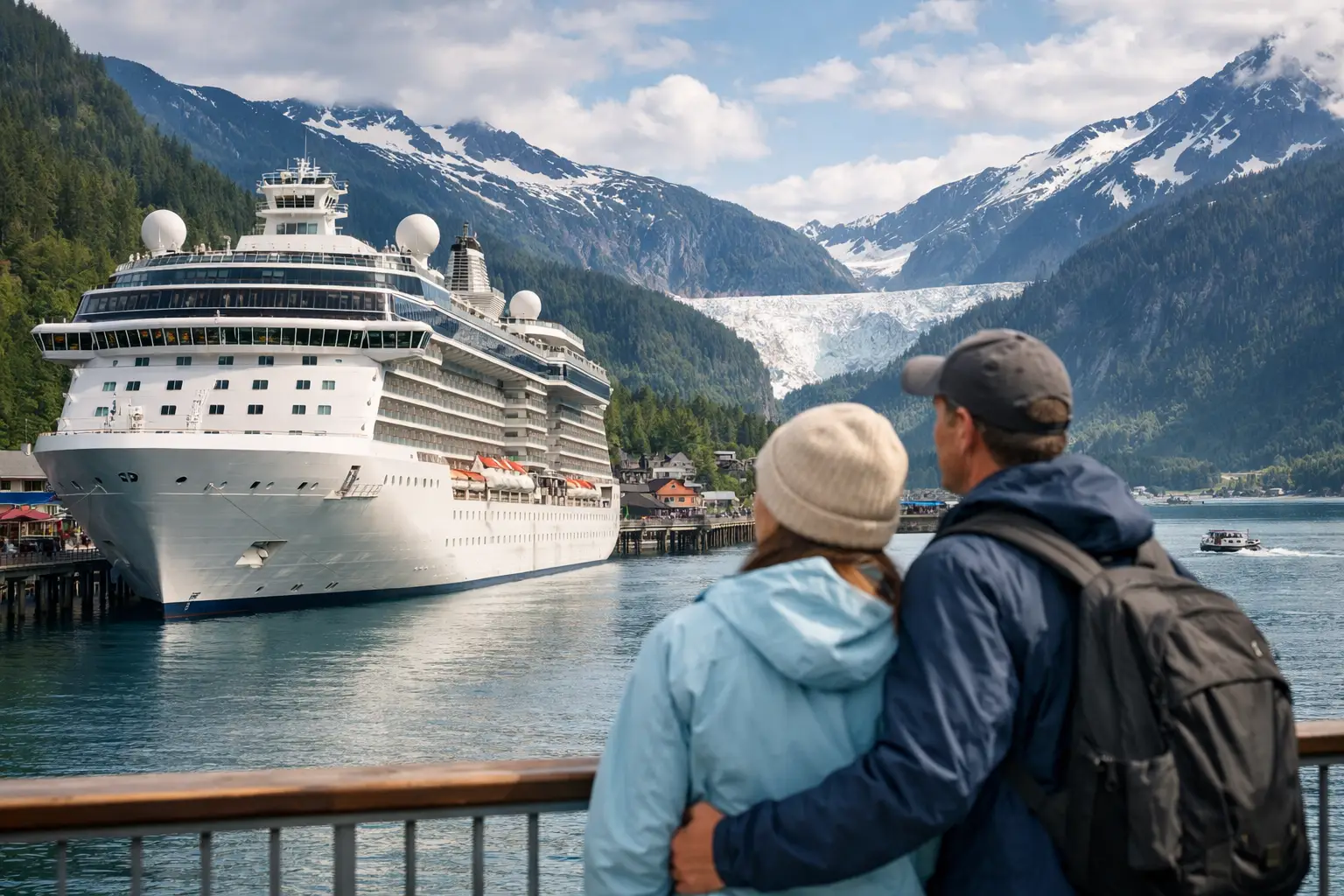
You usually feel it the moment the ship slows and the scenery tightens around you. One port has floatplanes lifting off beside downtown. Another has gold rush history a few steps from the pier. Another feels quieter, with wildlife and tribal culture taking center stage. A good Alaska cruise port guide helps you know which stops are best for whale watching, which are easiest to explore on foot, and where it makes sense to book an excursion before you ever sail.
That matters more in Alaska than in many cruise destinations. Ports here are not interchangeable. Time in port can be limited, weather can shift quickly, and the difference between a great day and a rushed one often comes down to understanding what each stop actually offers. If you know the character of the ports in advance, it becomes much easier to choose the right itinerary, the right excursions, and even the right cruise line for your travel style.
How to use this Alaska cruise port guide
The best way to read an Alaska itinerary is not by counting how many stops it has, but by looking at what kind of experience each port delivers. Some ports are strong for scenic touring and wildlife. Others are better for history, shopping, or independent walking. Some are especially good for guests who want easy access from ship to town, while others reward travelers who are comfortable with longer excursions.
For many travelers, especially first-time Alaska cruisers, the key question is simple: should you plan a major excursion here, or enjoy a lighter day ashore? That answer changes by port.
Juneau: best for whales, glaciers, and big-excursion days
Juneau is often one of the highlights of an Inside Passage sailing. It is Alaska’s capital, but it does not feel like a busy government center in the way many people expect. Instead, it combines a small downtown waterfront with access to some of the state’s most memorable scenery.
If you are trying to choose one port for a major excursion, Juneau is often the best candidate. Whale watching is excellent here, and so are glacier-focused tours. Mendenhall Glacier is the best-known attraction, and it appeals to a wide range of travelers because you can keep the visit fairly easy or pair it with more active options. Helicopter and flightseeing tours are also popular in Juneau, especially for travelers who want the dramatic, once-in-a-lifetime version of Alaska.
The trade-off is that Juneau can feel busy when several ships are in port. If your goal is a quiet, unstructured day, this may not be the stop where you find it. On the other hand, if you want a port with a broad menu of excursion choices and a high likelihood of seeing the Alaska many people picture before they book, Juneau usually delivers.
Is Juneau walkable?
The central waterfront area is easy to explore on foot. You can shop, visit local attractions, and enjoy restaurants without much effort. But many of the headline experiences sit beyond downtown, so this is not a port where most travelers should assume they can improvise everything after they arrive.
Ketchikan: best for totem culture, salmon, and easy browsing
Ketchikan often makes a strong first impression because the town is close to the cruise berths and has a distinctive waterfront setting. It is one of the most approachable ports for travelers who want a relaxed day with the option to add an excursion rather than build the whole stop around one.
This port is especially good for visitors interested in Native culture and regional history. Totem-related experiences are a major part of the destination, and they give Ketchikan a different feel from ports that lean more heavily on Gold Rush themes. Creek Street is another familiar stop, and it works well for travelers who enjoy photography, casual shopping, and a little local character without needing a strenuous outing.
Fishing is also a natural fit here, and many guests choose salmon-focused excursions or nature tours. If you are deciding between Ketchikan and Juneau for a bigger-ticket excursion, the better choice depends on your priorities. Juneau tends to win for whales and glacier drama. Ketchikan is often the better pick for culture, lighter touring, and a day that feels easy to manage.
Skagway: best for history and scenic rail excursions
Skagway feels different from Juneau and Ketchikan almost immediately. Its Gold Rush identity shapes the town, and that gives the port a clear personality. For many cruisers, this is where the White Pass scenic railway becomes the centerpiece of the day.
If you like history, mountain scenery, and structured touring that does not require much physical effort, Skagway is one of the strongest ports on an Alaska cruise. The rail experience is popular for good reason. It combines comfort with dramatic views and a strong sense of place. There are also bus and rail combinations for travelers who want more variety.
Downtown Skagway is compact enough to browse on foot, and that makes the port especially appealing for travelers who want options. You can take a major excursion and still spend some time in town, or skip the excursion and enjoy a shorter, simpler outing. The main consideration is timing. Because certain excursions are so popular here, waiting too long to decide can limit your choices.
Icy Strait Point: best for wildlife and a less commercial feel
Icy Strait Point is a port many travelers grow to appreciate once they understand what it is and what it is not. It does not feel like a traditional downtown cruise port. Instead, it is more focused on wilderness access, Native heritage, and outdoor experiences.
This is a strong port for whale watching, bear viewing, and travelers who want a less urban stop. It can feel more relaxed and more scenic than some of the bigger-name ports. That said, it is not the best choice for someone who wants lots of independent shopping and restaurant options right off the ship.
For the right traveler, that is exactly the appeal. If your ideal Alaska day means fewer jewelry stores and more wildlife potential, Icy Strait Point often ranks very high. It is also a good example of why itinerary details matter. Two Alaska cruises can look similar on paper, but swapping one port for another can change the overall character of the trip quite a bit.
Sitka: best for scenery, culture, and a quieter pace
Sitka has a loyal following among experienced Alaska cruisers because it offers a more layered destination experience. Russian history, Tlingit culture, marine wildlife, and beautiful scenery all come together here. It feels less geared toward quick shopping and more suited to travelers who enjoy destinations with depth.
The challenge with Sitka is that it sometimes requires a little more planning and patience, depending on docking arrangements and transportation into town. It is not usually the most plug-and-play stop on the itinerary. But for travelers who value authenticity and do not mind a little extra logistics, Sitka can be one of the most rewarding ports in Alaska.
Victoria: pleasant, but usually not the reason you book
Many Alaska cruises include Victoria, British Columbia, especially on roundtrip sailings from Seattle. It is attractive and enjoyable, but for most travelers it is not the port that should drive the booking decision. Calls here are often shorter and sometimes scheduled in the evening.
That does not mean you should ignore it. If you enjoy gardens, a walkable waterfront, and a polished city atmosphere, Victoria can be a nice addition. It is simply a different kind of stop from the Alaska ports farther north.
Choosing the right ports for your travel style
The best Alaska cruise port guide is not just a list of places. It helps match ports to people. Couples celebrating an anniversary often lean toward itineraries with Juneau and Skagway because those ports support memorable marquee excursions. Families may appreciate ports that are easy to navigate and offer flexible activity levels. Retirees and multigenerational groups often do best when shore days balance one or two major tours with a few easier, walkable stops.
This is also where ship and itinerary planning come together. A great port can feel rushed if your ship arrives late or leaves early. Some itineraries include excellent ports but offer less time to enjoy them. Others have a stronger overall flow, even if the list of ports looks similar at first glance. That is one reason travelers often benefit from working with specialists who know how these choices play out in real life, not just on a booking screen.
A practical way to plan each stop
Try to avoid treating every port as a must-do, all-day adventure. In Alaska, that approach can get expensive and tiring fast. A better strategy is to identify one or two ports where you want your signature experiences, then leave room for lighter days in ports that are easy to enjoy at your own pace.
For many first-time cruisers, that means choosing a whale or glacier excursion in Juneau, a scenic rail day in Skagway, and then keeping Ketchikan or Victoria more flexible. If your itinerary includes Icy Strait Point or Sitka, think about whether your interests run more toward wildlife and culture than shopping and convenience. Neither approach is better. It just depends on what kind of Alaska trip you want.
If you are sailing on Princess, port flow and excursion options are often especially strong on Inside Passage itineraries, which is one reason many repeat Alaska travelers return to that style of cruise. And when travelers want help sorting out which ports fit their priorities, this is exactly where experienced Alaska specialists such as Tom and Debbie Adair can make the process much easier.
The right itinerary is not the one with the most famous names. It is the one where the ports match the way you want to experience Alaska, and where each day ashore feels like time well spent.
