
Alaska Cruise Group Rates Explained
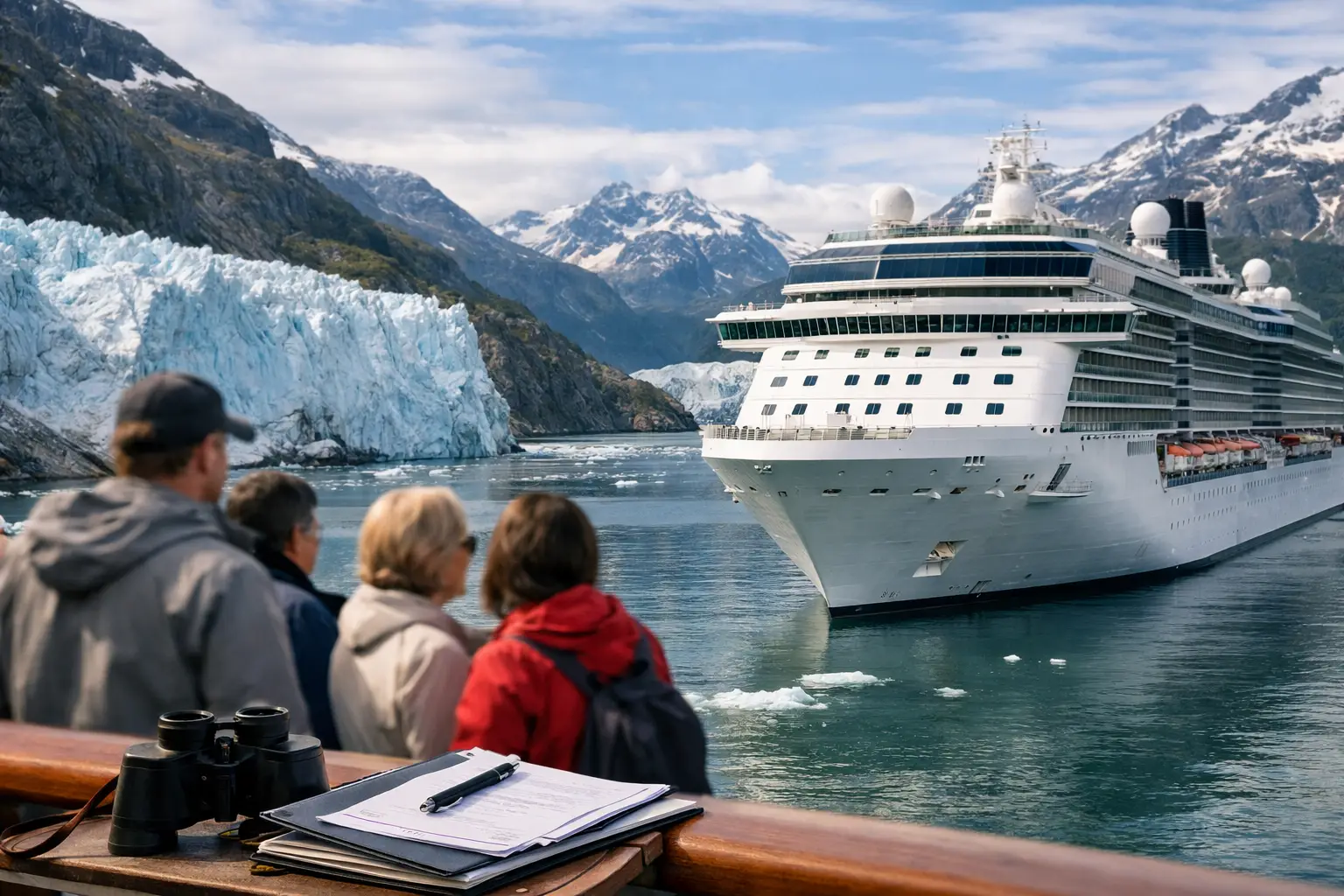
Trying to organize an Alaska cruise for a family reunion, affinity club, church group, or company retreat can get complicated fast. Alaska cruise group rates sound straightforward, but the real value depends on timing, group size, sailing choice, and how the booking is structured. A good group plan can lower costs, add useful amenities, and make coordination easier. A rushed or poorly built one can create unnecessary stress.
That is why group pricing is worth understanding before anyone starts collecting deposits. In Alaska, cabins on the most desirable summer sailings can disappear early, and not every group offer delivers the same benefit. Some rates reduce the fare. Others lean more heavily on onboard credits, tour conductor credits, or locked-in cabin space that protects your options while your group gets organized.
How Alaska cruise group rates usually work
In most cases, group rates are based on a block of cabins held together under one agreement. The cruise line may offer a contracted group with a set number of cabins, or a more flexible arrangement depending on sailing demand and the date you book. For popular Alaska departures, especially peak summer weeks, cruise lines tend to reward planners who commit earlier.
The phrase “group rate” can be a little misleading because it does not always mean every traveler gets the absolute lowest advertised fare. Sometimes the advantage is better overall value rather than the cheapest headline price. Your group may receive added amenities, price protection on held space, or credits that help the organizer offset costs for the trip. For some groups, that is more useful than shaving a small amount off each fare.
The best way to think about it is this: group pricing is a package of benefits, and the right package depends on your travelers. A multigenerational family might care most about keeping cabins near each other. A corporate group may want a hosted cocktail gathering or meeting space assistance. A retirement club may care more about reducing the total cruise cost and simplifying final payments.
When Alaska cruise group rates make the biggest difference
Alaska is not a year-round Caribbean market with endless weekly departures. The season is shorter, the most appealing itineraries fill quickly, and ship differences matter. That makes group planning more strategic.
Group rates tend to offer the strongest advantage when you are booking well in advance, your sailing date has broad appeal, and your group can reasonably commit to a minimum number of cabins. Early planning matters because Alaska inventory is finite. If your group wants balcony cabins on an Inside Passage itinerary during prime wildlife season, waiting too long reduces both availability and negotiating power.
They also make a difference when your group has shared priorities. If everyone wants the same week, similar cabin categories, and one itinerary, the booking process is smoother and the value is easier to preserve. If half the group wants a southbound cruise with a land extension and the other half wants a roundtrip sailing from Seattle, the “group” can start to lose its practical advantages.
This is where experienced guidance matters. The Alaska Cruise Guide often helps travelers sort through whether a true group booking makes sense or whether individual reservations tied together informally would work better.
What is usually included in a group offer
Cruise lines structure group offers differently, but most group arrangements include some mix of fare savings, held cabin inventory, onboard credit, or a tour conductor credit based on how many full-fare guests are booked. That last point can be especially helpful for organizations bringing a host, speaker, or coordinator.
Some offers are more valuable because they give your group time. Held space can allow travelers to make decisions without losing access to the sailing or cabin types they want most. For Alaska, that matters more than many first-time planners realize. Once the better-located balcony cabins are gone, they are often gone.
There can also be softer benefits that do not show up as a line item. Keeping travelers under one booking umbrella may help with dining coordination, nearby stateroom assignments, and group communication. Those details can make a big difference once you are trying to move a large party through embarkation day and shore excursion planning.
Alaska cruise group rates are not always the lowest option
This is one of the most important trade-offs to understand. Group rates can be excellent, but they are not automatically the cheapest choice in every scenario.
Cruise lines sometimes release flash promotions for the general public that look lower than an existing group fare. In some cases, the group booking can be adjusted or repriced. In other cases, the original group benefits still make it the better value even if the fare itself is not the absolute lowest available that day. It depends on the booking terms, the cabin type, and whether your travelers benefit more from flexibility and group amenities than a short-term sale.
That is why comparing only the base fare can be misleading. You want to compare total value, including perks, cancellation terms, cabin availability, and how much work the organizer is taking on. A lower public fare with scattered cabins all over the ship may not be a bargain for a reunion group hoping to spend time together.
Choosing the right sailing for a group
Not every Alaska cruise works equally well for every type of group. Inside Passage itineraries are often the easiest fit because they combine iconic scenery with a straightforward cruise experience. They tend to appeal to a broad range of ages and activity levels, which matters when you are organizing travelers with different expectations.
Princess Cruises is frequently a strong choice for Alaska groups because of its long Alaska history, broad itinerary selection, and reputation for destination-focused programming. That does not mean it is the right fit every time. Some groups want a more casual atmosphere, while others value enrichment, Glacier Bay access, or pre- and post-cruise land packages.
The key is matching the sailing to the group rather than forcing the group into a random deal. A church group may prefer an easy roundtrip route and minimal air complexity. A corporate incentive group may want one-way cruise options paired with a rail or lodge extension. Families often care more about cabin configuration and travel logistics than about tiny fare differences.
Questions every group planner should ask
Before anyone commits, ask how many cabins are required to secure the group, how long the space can be held, what deposit rules apply, and whether names can be changed later. Those terms matter because group planning rarely moves in a straight line.
You should also ask what happens if your group shrinks. Some group contracts are forgiving. Others can trigger penalties or loss of amenities if the booked cabin count drops below the required threshold. That risk is manageable, but only if it is clear from the start.
It also helps to clarify whether airfare, hotels, transfers, and shore excursions are part of the group arrangement or handled separately. For Alaska, pre-cruise hotel nights and transfers can be just as important as the cruise fare itself, especially when travelers are flying into Vancouver, Seattle, Anchorage, or Fairbanks.
Why expert planning matters more in Alaska
Alaska rewards good planning and exposes weak planning. Weather, flight timing, port logistics, and excursion demand all play a bigger role than they do on simpler warm-weather sailings. For groups, those moving parts multiply quickly.
An experienced Alaska-focused advisor can help you decide whether to lock in space early, which sailings are likely to fit your group best, and where the real value sits in a group offer. Just as important, they can help you avoid common problems like choosing a ship that is not a good match for your travelers or booking flights that leave too little room for embarkation-day delays.
This is especially helpful for organizers who do not want to become full-time travel managers for six months. Group travel should feel coordinated, not overwhelming.
The bottom line on Alaska cruise group rates
The smartest way to approach Alaska cruise group rates is to look beyond the label and ask what the booking actually does for your travelers. Sometimes the win is a lower fare. Sometimes it is protected cabin space, better coordination, or amenities that make the trip more comfortable and easier to manage.
If you are planning far ahead and your group is aligned on dates and itinerary, the potential value can be significant. If your travelers are uncertain, highly split on preferences, or booking late, a different approach may be better. The right answer is not always the most advertised one.
A well-planned Alaska group cruise should feel like everyone is looking forward to the scenery, the glaciers, and the shared time together – not worrying about who booked what, where the cabins are, or whether a better option was missed.
