
Why Glacier Bay Cruises Are Worth the Trip
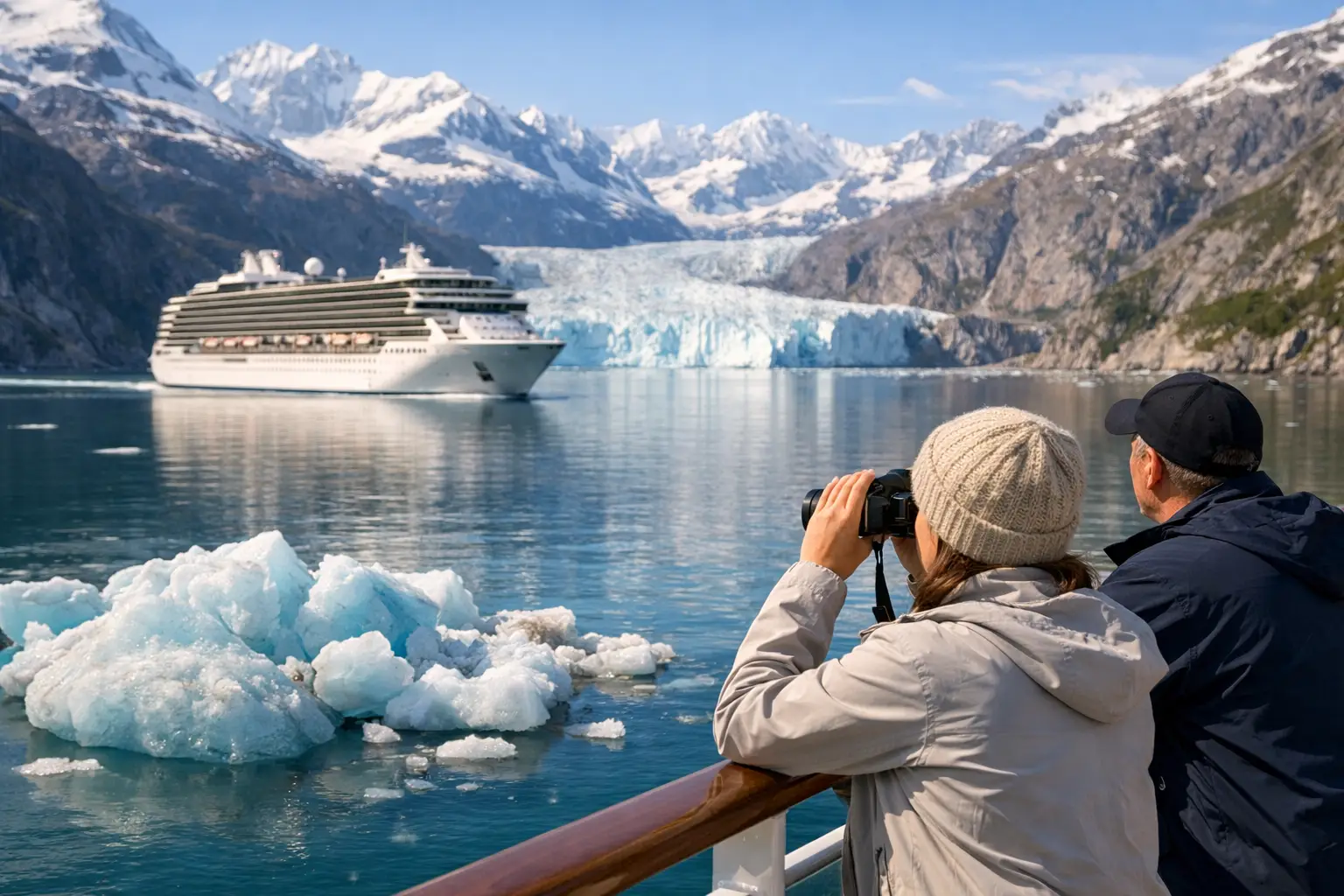
A Glacier Bay day is usually the moment Alaska becomes real. The ship grows quiet, passengers gather along the rails with cameras and coffee, and ice-blue mountains rise beyond the water. Glacier Bay cruises offer more than a glimpse of a famous glacier. They create a full day inside one of America’s most protected and dramatic natural landscapes.
For many travelers, Glacier Bay is the deciding factor when choosing an Alaska itinerary. That makes sense, but it also makes it worth understanding what a Glacier Bay sailing includes, why not every cruise visits, and which choices will help you enjoy the experience rather than simply check it off a list.
What Makes Glacier Bay Cruises Different
Glacier Bay National Park and Preserve sits in Southeast Alaska, west of Juneau. It is a vast wilderness of forested islands, steep coastal mountains, tidewater glaciers, and cold, nutrient-rich water that supports remarkable wildlife. Cruise ships enter under a limited permit system, which helps protect the park and preserves a quieter, less commercial experience than a typical port day.
You do not dock in Glacier Bay. Instead, your ship spends much of the day cruising through the park, with National Park Service rangers coming aboard to provide commentary. They explain the landscape, point out wildlife, and add context that turns the view outside your cabin into a story of retreating ice, changing ecosystems, and Alaska Native heritage.
The highlight is often Margerie Glacier, a towering tidewater glacier at the head of Tarr Inlet. Its face can stretch more than a mile across, and on a good day you may hear the crack and thunder of ice calving into the water. Ships carefully maneuver and rotate so guests on both sides have time to take in the view. Conditions vary, of course. Fog, rain, wind, and floating ice can affect how close a ship can safely approach. Even so, the scale of the setting is difficult to appreciate until you are there.
A Scenic Cruising Day, Not a Port Call
Some travelers worry that a day without shopping, excursions, or a town to explore will feel slow. Glacier Bay is different. The scenery is the excursion, and it rewards travelers who give themselves time to enjoy it.
Plan to be up early. Ships commonly enter the park in the morning, although schedules vary by itinerary and weather. The first hours can be especially peaceful as the ship passes small islands, distant snowfields, and mist along the shore. Keep your binoculars nearby. Humpback whales, sea otters, harbor seals, mountain goats, bald eagles, and brown bears are all possible sightings, though wildlife is never guaranteed.
Dress for the outdoor decks, even if you prefer to watch much of the day from a lounge or balcony. Layers are far more useful than one heavy coat: a warm base layer, fleece or sweater, waterproof outer layer, hat, and gloves make a major difference. Glacier Bay can feel much colder than the temperature shown in the daily forecast because of wind and the chill coming off the ice.
A balcony cabin can be wonderful for Glacier Bay, particularly for travelers who value privacy or want a quiet place to warm up between deck visits. But it is not essential. The ship rotates near the glaciers, and the best wildlife or glacier view may be from an open deck rather than your own balcony. A well-located outside cabin or an interior cabin can still be a smart choice if it allows more room in the budget for a longer itinerary, a land extension, or special excursions in other ports.
Why Itineraries Matter More Than Ship Size
Not all Alaska cruises include Glacier Bay. Access is limited, and cruise lines must hold permits to enter the park. Some itineraries substitute other scenic areas, such as Hubbard Glacier, Tracy Arm Fjord, or Endicott Arm and Dawes Glacier. Those sailings can be beautiful and worthwhile, but they are not the same experience.
Hubbard Glacier, for example, is enormous and often provides a spectacular glacier viewing day. Tracy Arm and Endicott Arm offer narrower fjord scenery, waterfalls, and the possibility of seeing icebergs from closer range, sometimes through a small-boat excursion. Yet Glacier Bay combines glacier viewing with a full national park experience, ranger interpretation, a long scenic route, and the sense of being far from ordinary travel routes.
If Glacier Bay is your priority, confirm it is specifically named on the itinerary before booking. Do not assume that “Alaska glacier cruising” means Glacier Bay. It is also wise to ask whether the itinerary is one-way or roundtrip. One-way northbound and southbound cruises are often paired with an Alaska land tour, which can include Denali, Fairbanks, Anchorage, or scenic rail travel. Roundtrip sailings are convenient for travelers who prefer to fly in and out of the same city, usually Seattle or Vancouver.
The best option depends on how much time you have and what you want Alaska to feel like. A seven-night roundtrip can be an excellent introduction. A one-way cruise plus several nights on land provides a broader Alaska vacation, but it requires more vacation time, additional travel coordination, and often a larger budget.
Choosing the Right Time to Sail
Glacier Bay cruises operate during Alaska’s cruise season, generally from late spring into early fall. Every part of the season has a trade-off.
May often brings lower prices, fewer crowds, crisp air, and snow still visible at lower elevations. Daylight is long, but temperatures can be cooler, and some early-season services in port may be limited. June offers very long days and active wildlife viewing, while July is popular for warmer temperatures and family travel. It is also typically one of the busiest and most expensive periods.
August can be a strong choice for lush scenery and productive whale watching, although rain becomes more likely. September may appeal to couples and adults seeking lower fares, fewer children onboard, and the chance to see fall color. The weather is less predictable, daylight is shorter, and certain tours may operate on reduced schedules.
There is no single best month for everyone. Travelers who want the strongest value may prefer May or September. Those traveling with school-age children may need summer dates. For photographers, wildlife enthusiasts, and guests celebrating a milestone, the right sailing often comes down to priorities such as daylight, cabin availability, port time, and budget rather than the calendar alone.
The Details That Improve a Glacier Bay Day
A little preparation can turn a good viewing day into a memorable one. Bring binoculars, but do not spend the entire day looking through them. The grand scale is best experienced with your own eyes. Keep a camera ready, but remember that a glacier calving event is unpredictable. If you wait only for the perfect photo, you may miss the pleasure of simply listening.
Choose one outdoor viewing period early in the day and another when the ship reaches the main glacier. In between, warm up, attend the ranger presentation, and watch the scenery from a quieter indoor space. Guests with mobility concerns should not feel pressured to remain on an exposed deck for hours. Modern cruise ships offer excellent public viewing areas, and a warm window seat can be a very comfortable way to experience the park.
If you are prone to motion sickness, Glacier Bay itself is often calmer than open-water sailing, but Alaska conditions can change. Pack your preferred remedies and begin using them as directed before you feel unwell. Also, keep your daily schedule light. A late evening in a lounge may be enjoyable, but an early Glacier Bay morning is one of the few cruise experiences truly worth setting an alarm for.
Getting Help With the Right Alaska Cruise
The choices around Glacier Bay can become surprisingly detailed: ship, cabin category, sailing date, departure city, pre-cruise hotel, flights, transfers, and possible land tour. That is where personal Alaska expertise can save both time and second-guessing.
At The Alaska Cruise Guide, Tom and Debbie Adair help travelers compare Alaska itineraries with the real vacation in mind, not just the brochure description. A couple seeking a peaceful balcony retreat may need different advice than a multigenerational family, a first-time cruiser, or a group coordinating cabins and travel dates. The goal is to match the sailing to your priorities while looking for the best available value.
Glacier Bay is not a place to rush through on a checklist. Choose an itinerary that gives it the attention it deserves, dress for the deck, leave room in your day for wonder, and let Alaska do what it does best: make the distance from everyday life feel very, very far away.
