
How to Plan Alaska Cruise Budget Right
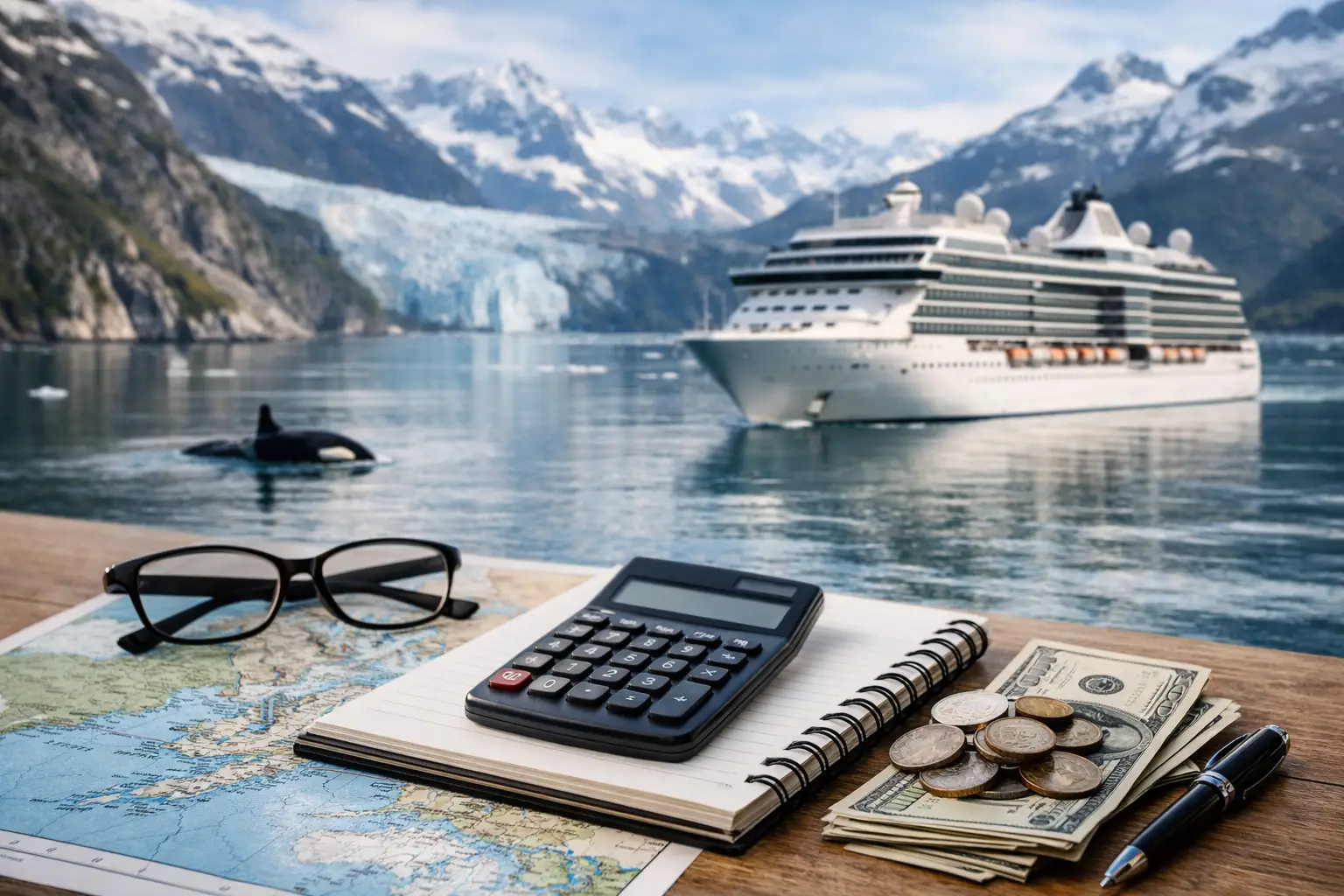
An Alaska cruise can look affordable at first glance, then suddenly grow once airfare, hotel nights, transfers, excursions, and onboard spending enter the picture. That is why knowing how to plan Alaska cruise budget matters early, not after you have already picked a sailing that stretches you too far.
The good news is that Alaska is one of the easiest cruise vacations to budget well if you start with the right framework. Instead of chasing the lowest advertised fare, build your budget around the full trip cost. That gives you a more honest number and helps you choose the itinerary, ship, and cabin that fit your priorities without unpleasant surprises.
How to plan Alaska cruise budget from the full trip cost
Most travelers begin with the cruise fare. That makes sense, but it is only one piece of the total. A better approach is to work backward from what you are comfortable spending overall, then divide that amount into categories.
For most Alaska travelers, the biggest buckets are the cruise fare, taxes and fees, flights, hotel stays before or after the cruise, shore excursions, gratuities, drinks or specialty dining, and travel insurance. If you are sailing one-way between Vancouver and Anchorage or Whittier, your flights may cost more than they would on a roundtrip Seattle sailing. If you want glacier flightseeing or a railroad land tour, excursions can rival the cruise fare itself.
That is why two travelers on the same ship can have very different final costs. One couple may choose an inside cabin, book only one paid excursion, and keep onboard spending low. Another may choose a balcony, arrive two days early, add premium dining, and take multiple small-group tours. Neither approach is wrong. The goal is matching the vacation to your comfort level.
Start with the cruise fare, but read it correctly
The advertised fare is the starting point, not the decision point. Cruise pricing changes based on season, itinerary, ship, cabin category, and availability. Shoulder season sailings in May or September often offer better pricing than peak summer dates, but there are trade-offs. Early season can be cooler, while September may bring more rain in some ports. July often brings higher prices because it aligns with family travel and strong demand.
Cabin choice has a major effect on budget. Inside cabins are usually the value choice and work well for travelers who plan to spend most of their time out on deck or in public spaces. Oceanview cabins give you natural light without the higher balcony price. Balconies are popular in Alaska for obvious reasons, but they are not mandatory for a great trip. Many travelers find that the ship’s open decks and lounges provide excellent glacier and wildlife viewing.
If your budget is tight, it often makes more sense to choose the itinerary and sailing date you really want, then save money on cabin category, rather than overpay for a room feature and compromise on the trip itself.
Flights and hotels can change the math quickly
When people underestimate an Alaska cruise, they often miss the transportation side. Airfare can be reasonable or expensive depending on your departure city, the sailing route, and how much flexibility you have.
Roundtrip Seattle cruises are often easier to budget because they can be simpler for air planning. One-way Inside Passage itineraries can be wonderful, especially if you want to combine the cruise with more time on land, but they usually require more careful flight coordination. That is not a reason to avoid them. It just means they should be priced as part of the whole vacation, not treated like an afterthought.
A pre-cruise hotel night is another expense worth planning for on purpose. We strongly recommend arriving at least one day before embarkation. It adds to the budget, but it can save you from far costlier stress if a flight delay threatens your sailing. In many cases, spending a little more on a hotel night buys peace of mind and makes the trip start much more smoothly.
Excursions are where priorities matter most
Alaska shore excursions can be extraordinary, and they can also become the biggest variable in your budget. Whale watching, helicopter landings on glaciers, dog sledding, fishing charters, and rail journeys are memorable, but they are premium experiences.
This is where travelers benefit from being honest about what matters most. You do not need a paid excursion in every port to have a rich Alaska experience. In some ports, a scenic walk, local shuttle, or simple town day may be enough. In others, a signature excursion may be the highlight of the entire trip.
A practical way to budget is to pick one or two must-do experiences first. Build those into your number early. Then decide whether the remaining ports need paid tours or lighter plans. That approach usually feels better than trying to do everything and regretting the total later.
If you are traveling with family or as a group, excursion costs multiply fast. A tour that seems reasonable per person can become a major line item when multiplied by four, six, or eight travelers. This is where early planning really helps.
Don’t forget the costs that feel small until they add up
Some of the most common budget misses are not dramatic. They are the smaller charges that stack quietly. Daily gratuities, drinks, Wi-Fi, specialty restaurants, laundry, photos, and port transfers may not seem significant one by one, but together they can move your final total more than expected.
You do not need to eliminate these expenses. You just need to decide in advance which ones belong in your trip. If you enjoy a cocktail before dinner every evening, budget for that. If staying connected matters, include Wi-Fi. If you are happy with included dining and minimal extras, your onboard bill may stay quite manageable.
Travel insurance also deserves a place in the budget from the beginning. Alaska cruises often involve flights, weather-sensitive travel, and expensive excursions. Insurance is not the most exciting purchase, but it can be one of the smartest.
How to set a realistic per-person budget
If you are wondering how to plan Alaska cruise budget without getting lost in details, think in ranges first. Start with a comfortable total per person, then test your choices against it.
A value-focused traveler might prioritize an inside cabin, lower-cost sailing dates, limited excursions, and modest onboard spending. A midrange traveler may choose an oceanview or balcony, one or two major excursions, a hotel night, and a little room for extras. A premium budget often includes a balcony or better, stronger airfare flexibility, several top excursions, specialty dining, and possible pre- or post-cruise land arrangements.
The exact numbers vary too much by season and itinerary to treat any single estimate as universal. What matters is understanding your travel style. Budgeting works best when it reflects how you actually travel, not an idealized version of yourself who suddenly skips every extra.
Timing can save money, but flexibility has limits
Booking timing affects Alaska pricing, especially for the most desirable dates, cabin types, and itineraries. Booking early often gives you better selection and a clearer shot at the cabin you want. Waiting can sometimes produce value, but it is a gamble, particularly if you need specific dates, adjoining cabins, or group space.
There is also a trade-off between saving money and getting exactly what you want. If you are retired and flexible, shifting by a week or choosing May instead of July may create real savings. If you are traveling around school schedules or coordinating extended family, the cheapest option may not be the practical one.
The smartest budget is not always the absolute lowest one. It is the one that gives you the trip you want without overspending on features you do not care about.
Where expert guidance can prevent costly mistakes
Alaska has more moving parts than many first-time cruisers expect. Ship choice, route, transfer planning, glacier viewing, pre-cruise logistics, and excursion strategy all affect the bottom line. A cheap fare on the wrong itinerary for your goals is not a bargain.
This is one reason many travelers prefer working with Alaska specialists rather than piecing everything together themselves. A good advisor can help you compare real trip costs, not just headline fares, and spot where spending a little more improves the experience or where cutting back will not hurt it. For travelers who want confidence as much as savings, that guidance can be valuable.
Build in a cushion and give yourself room to enjoy it
The final step is simple and often overlooked. Leave a cushion in your budget. Even a modest buffer helps with price shifts, last-minute transfer needs, or that one excursion you decide you cannot pass up.
An Alaska cruise should feel exciting, not financially uncomfortable. When your budget is realistic from the start, you can enjoy the whales, glaciers, and quiet moments on deck without second-guessing every purchase. Plan carefully, leave room for the parts that matter most to you, and let the trip be as memorable as Alaska itself.
