
Is a One Way Alaska Cruise Right for You?
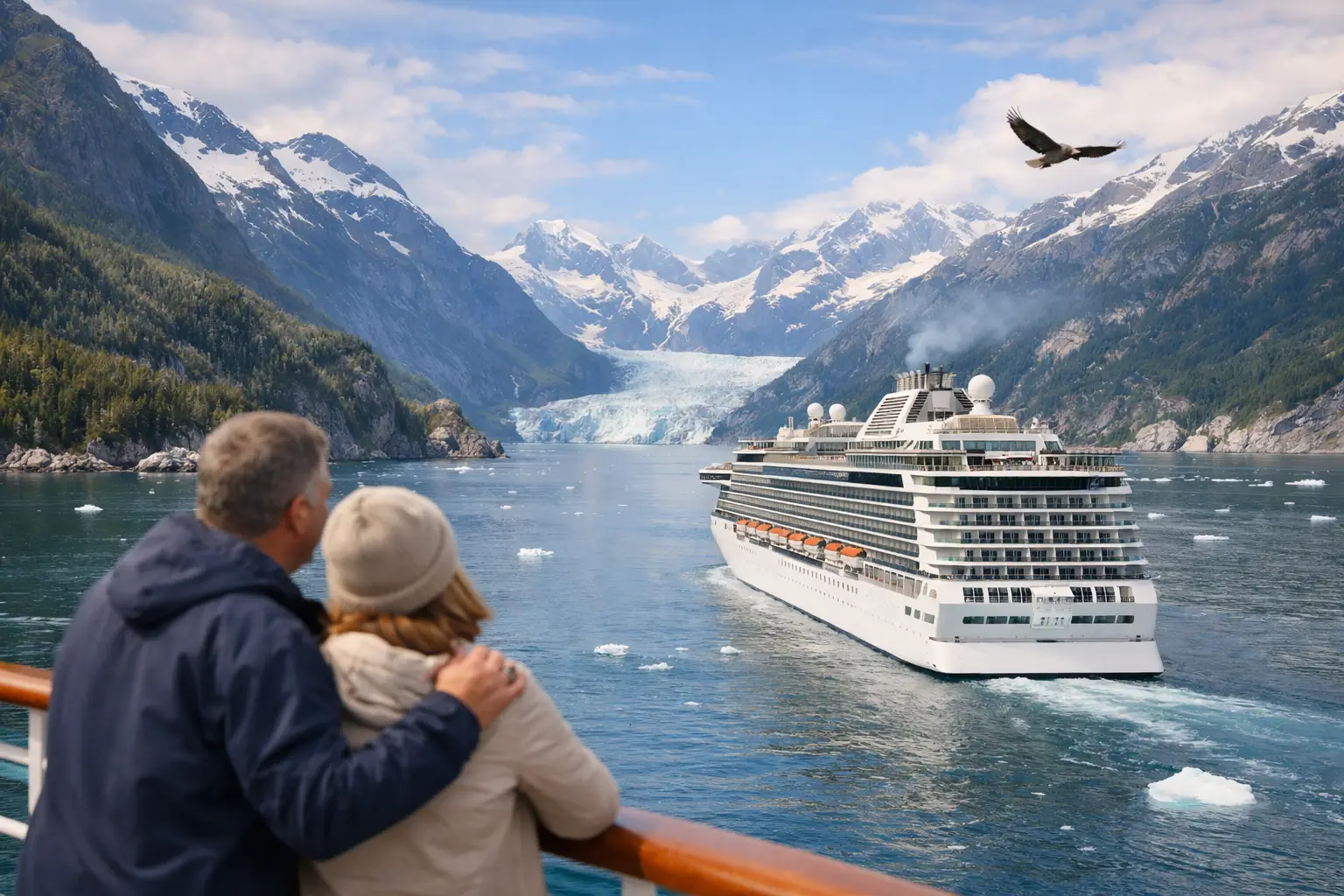
A one way Alaska cruise does more than take you past glaciers and coastal towns. It gives you a choice that roundtrip sailings cannot: begin or end in Alaska, then use the other end of the trip to see more of the state by land. For travelers who have dreamed of Denali, Alaska’s interior, or a longer stay in Anchorage or Fairbanks, that can make all the difference.
The trade-off is that one-way itineraries require a little more coordination. You will normally fly into one city and return from another, and the route, ship, cabin, and land plans all need to work together. With the right planning, however, this is often the most rewarding way to experience Alaska.
What Is a One Way Alaska Cruise?
A one-way Alaska cruise, sometimes called a northbound or southbound voyage, typically sails between Vancouver, British Columbia, and either Whittier or Seward, Alaska. Most include classic Inside Passage scenery and popular ports such as Ketchikan, Juneau, and Skagway, along with a day of glacier viewing. The exact ports and glacier experience vary by sailing, so the itinerary deserves a close look before you choose.
A northbound cruise begins in Vancouver and ends in Alaska. It is especially popular with travelers who want to add a land vacation afterward. Once you arrive in Whittier or Seward, you can continue to Anchorage, Denali National Park, Fairbanks, or smaller communities along the way.
A southbound cruise does the reverse. You begin in Alaska, enjoy your interior vacation first, then board the ship for a more relaxed finish as you sail toward Vancouver. For some guests, this is ideal. They prefer to handle the more active rail, lodge, and sightseeing days early, then settle into the comforts of the ship at the end of the trip.
Why One-Way Routes Can Be More Rewarding
The biggest advantage is time on land. A seven-night roundtrip sailing from Seattle or Vancouver provides an excellent introduction to Alaska, particularly for travelers with limited vacation time. But it generally cannot carry you into the interior, where the scenery changes from coastal rainforest and tidewater glaciers to broad river valleys, tundra, and the Alaska Range.
Adding a land portion can create a fuller picture of the state. You might ride the rail line from the coast to Anchorage, spend time at a wilderness lodge, take a flightseeing tour, or travel north toward Denali. Wildlife opportunities can be very different inland, and the scale of the landscape often surprises even seasoned travelers.
One-way itineraries can also offer a stronger sense of journey. Instead of returning to the city where you started, you travel through Alaska from coast to interior, or from interior to coast. That progression makes the vacation feel less like a loop and more like a true Alaska experience.
For families, the extra flexibility can be valuable. A multigenerational group may want cruise days that are easy and comfortable, then several land days with options ranging from gentle sightseeing to more active adventures. Couples celebrating a milestone often appreciate the chance to extend the trip with a lodge stay or a few unhurried nights in the interior.
Northbound vs. Southbound: Which Direction Fits You?
There is no single best direction. The better choice depends on your preferred pace, your flight options, and how you want the trip to feel.
Choose northbound if you want to build anticipation
With a northbound sailing, the cruise introduces you to Alaska gradually. You begin with the coastal ports and glacier viewing, then head into the interior when the ship portion ends. Many travelers like this sequence because each stage feels bigger than the last. It can also be a comfortable choice for first-time visitors who want a few days aboard ship before moving into hotels, lodges, trains, and tours.
Northbound is often a natural fit for a cruisetour, particularly on Princess Cruises, where cruise and land components can be coordinated as one vacation. That does not mean every traveler needs a packaged land tour. Independent extensions can work well, too, especially if you have a specific lodge, activity, or pace in mind.
Choose southbound if you want to relax at the end
A southbound trip puts the land portion first. You arrive in Alaska, travel through the interior, and then board the ship for your final week. This can be appealing if you prefer to unpack less often toward the end of your vacation or want ocean-view dining, onboard entertainment, and easy port days after a more active land itinerary.
Southbound sailings may also work better for travelers concerned about travel disruptions. Arriving in Alaska a day or two before your land program begins gives you a cushion before boarding the ship. Still, the best direction is not just about logistics. It is about whether you want to begin with adventure or finish with it.
Plan the Flights Before Falling in Love With a Date
The most common planning mistake with a one-way cruise is treating flights as an afterthought. Since you will use two different airports, airfare can be more complicated than a roundtrip ticket. The good news is that open-jaw flights, flying into one city and home from another, are routine. They simply need to be priced and timed early.
For a northbound sailing, you will usually fly into Vancouver and fly home from Anchorage or Fairbanks. For a southbound sailing, you will fly into Anchorage or Fairbanks and return from Vancouver. Whittier and Seward are cruise ports, but Anchorage is generally the practical airport gateway for both.
Plan to arrive at least one day before embarkation. Vancouver is worth that extra night on its own, and a pre-cruise stay reduces stress if weather or airline schedules change. If your cruise ends in Whittier or Seward, allow enough time for the transfer to Anchorage before a same-day flight. In many cases, an overnight in Anchorage is the calmer choice.
Cabin Choice Matters More Than Many Travelers Expect
On a one-way itinerary, your cabin is not just a place to sleep. Scenic cruising can include long stretches of mountains, islands, glaciers, and wildlife viewing. A balcony gives you private outdoor space and the ability to step outside quickly when a whale, sea lion, or dramatic view appears. For many Alaska travelers, it is a meaningful upgrade.
That said, a balcony is not essential for everyone. An ocean-view cabin can be a smart value, particularly if you plan to spend glacier day on the outer decks or in public viewing areas. Interior cabins offer the lowest fare and may make sense when the budget is better used for a longer land extension, rail travel, or special excursions.
Location matters as well. Guests prone to motion discomfort often prefer a lower deck near the middle of the ship. Travelers who value quick access to dining and entertainment may prefer a more central location, while those seeking a quieter atmosphere may be happier farther from elevators and busy public spaces. The right cabin is personal, which is why a quick conversation before booking can prevent disappointment later.
Build in Time for the Alaska You Want to See
A one-way cruise can be booked as a seven-night sailing only, but it is often most satisfying with at least three additional nights on land. Five to seven land nights give you more room for Denali, Fairbanks, Anchorage, or a quieter stop along the route without turning every day into a transfer day.
Be realistic about distances. Alaska is vast, and a map can make destinations appear closer than they are. A well-planned itinerary does not try to see every famous place in one visit. It chooses a few experiences that fit your interests, whether that means wildlife, scenic rail travel, local history, fishing, photography, or simply time to enjoy the view.
Season also matters. May and September can offer attractive values and fewer crowds, but temperatures are cooler and conditions can be less predictable. Mid-summer brings longer daylight hours and strong access to tours, though demand is higher. If Denali is a major priority, discuss the timing of your trip carefully, since park operations and road access can vary by season and conditions.
Get Guidance That Connects the Whole Vacation
A one-way cruise has more moving parts than a simple roundtrip sailing, but those moving parts are also what create its value. Cruise dates, flights, transfers, hotel nights, rail schedules, cabin categories, and tours should be considered as one vacation rather than separate reservations.
That is where destination-specific planning helps. At Alaska Cruise Guide, Tom and Debbie Adair help travelers compare cruise directions, ships, cabins, land options, and package values based on how they actually want to travel. The goal is not to add complexity. It is to make sure the details support the Alaska experience you have in mind.
The best one-way itinerary leaves room for the moments you cannot schedule: a glacier calving into icy water, a moose beside a rail line, a clear view of Denali, or a quiet evening watching the coastline pass from your ship. Choose a route that gives those moments time to happen.
